
How Manufacturers Handle Packaging and Labeling Requirements for Private Label Products
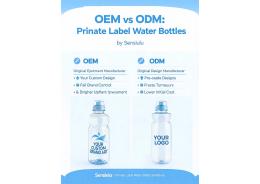
Private label products have become increasingly popular in recent years, offering businesses the opportunity to sell customized products under their own brand. To make this possible, manufacturers must take extra care in meeting packaging and labeling requirements to ensure compliance, market appeal, and functionality. Here’s a closer look at how manufacturers effectively manage these crucial aspects of creating private label products.
Compliance with Legal and Regulatory Standards
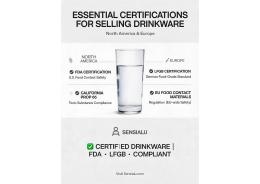
Manufacturers must first ensure that all packaging and labeling for private label products meet industry-specific legal and regulatory requirements. This includes adhering to guidelines for ingredient disclosure, nutritional labeling, safety warnings, and usage instructions. For example, food and beverage products must comply with FDA regulations in the United States, while cosmetics might be subject to specific labeling rules by the Personal Care Products Council (PCPC) or other governing bodies.
To streamline this process, many manufacturers collaborate with regulatory experts and consultants who specialize in compliance, ensuring the packaging aligns with the legal frameworks of the target market.
Customization for Brand Identity
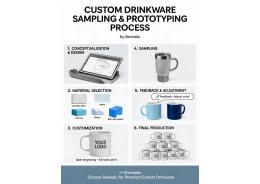
One of the essential aspects of private label products is their ability to reflect the brand identity of the business selling them. Manufacturers work closely with clients to design packaging that aligns with their brand’s aesthetic and messaging. This includes selecting colors, fonts, logos, and descriptive text that resonate with the target audience.
Advanced printing technologies and digital design tools allow manufacturers to create prototypes and bring brand visions to life. Many manufacturers, like Sensialu, offer end-to-end customizable packaging options to meet unique client needs.
Material Selection and Environmental Responsibility
Modern consumers are increasingly concerned about the environmental impact of packaging. Manufacturers are responding to this demand by offering sustainable and eco-friendly packaging materials, such as biodegradable plastics, recyclable cardboard, or reusable containers. These materials not only appeal to environmentally conscious consumers but also help brands meet various environmental regulations worldwide.
Manufacturers often guide private-label brands in making sustainable packaging choices that align with their values and appeal to green-conscious customers.
Quality Assurance and Testing
To maintain customer satisfaction and ensure the safety of private-label products, manufacturers conduct extensive quality assurance testing on their packaging. Stability tests, durability assessments, and leakage tests are some measures that ensure the packaging is both functional and durable throughout its lifecycle. This is particularly critical for products like cosmetics or food and beverages, where improper packaging could lead to contamination or spoilage.
Efficient Production and Scalability
Meeting packaging and labeling requirements is just one part of the equation. Manufacturers must also ensure that their production processes are efficient and scalable to support varying order volumes. By using automated machinery and lean manufacturing techniques, they can meet deadlines without compromising on the quality of packaging or labeling.
Conclusion
Manufacturers play a pivotal role in helping brands deliver private label products that are compliant, attractive, functional, and environmentally friendly. With the expertise of companies like Sensialu, brands can rely on seamless processes to create packaging and labeling solutions tailored to their needs, ensuring they can compete effectively in today’s market.

 English
 German
 French
 Russian
 Spanish
 Japanese
 Korean
 Portuguese
 Ukrainian
 Arabic
 Italian


