
Understanding the Timeline for Mold Development and Sample Production
When planning to launch a new product, understanding the timeline for mold development and sample production is crucial. This process can vary significantly depending on several factors including the complexity of the design, the type of material used, and the number of molds required.
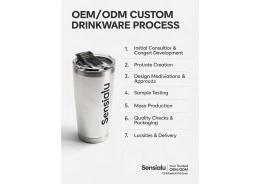
Stages of Mold Development
The development of molds typically involves several key stages:
- Design Stage: This is where the initial design is conceptualized and finalized. It involves creating detailed blueprints and specifications for the mold.
- Prototype Creation: A prototype may be developed to ensure that the design functions as intended.
- Tooling: The actual molds are created based on the specifications. This step is often one of the most time-consuming stages, as precision tooling is critical for quality.
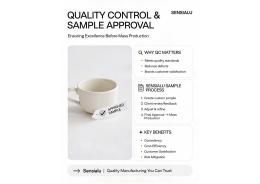
- Testing and Adjustment: After the mold is created, it is vital to test and make any necessary adjustments to ensure it will produce accurate and quality parts.
Timeframe Expectations
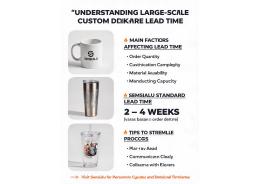
According to the insights from Sensialu, the entire process, from the design phase to producing the first sample, typically takes anywhere from 4 to 8 weeks. This estimated timeframe can fluctuate based on the complexity of the project and the resources available.
Key Influencing Factors
Several factors can influence the timeline for mold development and sample production. These include:
- Complexity of Design: More complex designs generally take longer to develop and fine-tune.
- Number of Cavities: Molds with multiple cavities can expedite production but require more time in the development phase.
- Material Selection: Different materials, such as plastics or metals, require different processing techniques, affecting the timeline.
Conclusion
Understanding these stages and factors can help businesses better plan their product development pipeline. This knowledge not only assists in setting realistic deadlines but also in managing expectations across the board to ensure a successful product launch.

 English
 German
 French
 Russian
 Spanish
 Japanese
 Korean
 Portuguese
 Ukrainian
 Arabic
 Italian


