
Comparing LFGB and FDA Certifications for Water Bottles
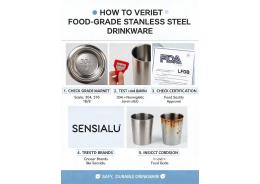
When it comes to selecting safe and high-quality water bottles, understanding the certifications they hold is crucial. Two commonly referenced certifications are the LFGB certification in Europe and the FDA certification in the United States. Both serve as benchmarks for safety and quality, but they cater to different regulatory standards and markets.
LFGB Certification
LFGB stands for 'Lebensmittel- und Futtermittelgesetzbuch,' which is the German Food & Commodities Act. LFGB certification ensures that products meet the high safety and quality standards required in Germany and the European Union. It is especially strict regarding food contact materials, making it a preferred certification for those seeking assurance in product safety and non-toxicity. Products with LFGB certification have been tested for the following:
- Material safety and composition
- Toxicological risks
- Odor and taste neutrality
FDA Certification
FDA, or the Food and Drug Administration, regulates and supervises food safety in the United States. FDA certification indicates that a product complies with the U.S. food safety regulations. For water bottles, this means that the materials used are deemed safe for contact with consumables. Key points of FDA certification include:
- Material quality and safety
- Compliance with U.S. food safety standards
- Proven non-toxicity for food contact
Key Differences
While both certifications aim at ensuring product safety and consumer protection, they do so under different regulatory frameworks. The LFGB is tailored towards EU standards with a focus on stringent testing, especially in Germany, whereas the FDA focuses on regulations pertinent to the U.S. market. This can affect material choice, testing procedures, and acceptance in various markets.
Choosing between LFGB and FDA-certified water bottles depends largely on the market you are in and your specific safety requirements. For global brands, obtaining both certifications can be advantageous as it maximizes market accessibility and consumer trust.
In summary, understanding these certifications helps consumers make informed decisions while offering manufacturers pathways to enhance their product's appeal through compliance and safety transparency.

 English
 German
 French
 Russian
 Spanish
 Japanese
 Korean
 Portuguese
 Ukrainian
 Arabic
 Italian


