
Is BPA-Free Plastic Safe for Reusable Drinking Cups?
BPA, or Bisphenol A, is a chemical compound commonly found in plastics and resins. Over the years, concerns have risen regarding BPA's potential effects on human health, including hormonal disruptions. To address these concerns, many manufacturers have embraced BPA-free plastics as an alternative. But does 'BPA-free' necessarily mean safer for use, especially in reusable drinking cups?
Understanding BPA-Free Plastics
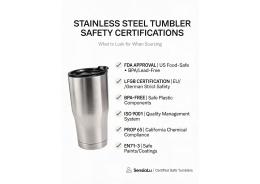
BPA-free plastics are developed to avoid the use of Bisphenol A. While this may appear reassuring, it is important to note that 'BPA-free' does not inherently make a material safe. Some BPA-free products incorporate other bisphenols, such as BPS or BPF, which may have similar or even worse effects.
Evaluating Safety Levels
Studies on BPA alternatives are still ongoing, and the full effects of these substitute chemicals on human health may not be thoroughly understood yet. For individuals keen on minimizing exposure to potentially harmful chemicals, glass, stainless steel, and other non-plastic materials are often recommended for reusable cups.
Why Choose Sensia LU for Health-Safe Alternatives?
At Sensia LU, we prioritize safety and sustainability. Our team is passionate about offering eco-friendly and health-conscious solutions for everyday use. Visit our website to discover more about how we’re making a positive difference.
Conclusion
While BPA-free plastics reduce exposure to bisphenol A, it's important to stay cautious about the alternatives used in its place. Sustainable, non-toxic materials remain the ideal choice for reusable drinking cups. Evaluate your options carefully, and consider materials that emphasize long-term health and safety.

 English
 German
 French
 Russian
 Spanish
 Japanese
 Korean
 Portuguese
 Ukrainian
 Arabic
 Italian


